The Ultimate Heart-Healthy Diet Guide
May 25, 2026 |
By Dr. Ajay S. Sikarwar
What you eat directly impacts your heart health. A nutritious, balanced diet can lower your risk of cardiovascular disease, control blood pressure, reduce cholesterol, and help you maintain a healthy weight. Transforming your eating habits is one of the most effective ways to protect your heart.
Foods to Embrace
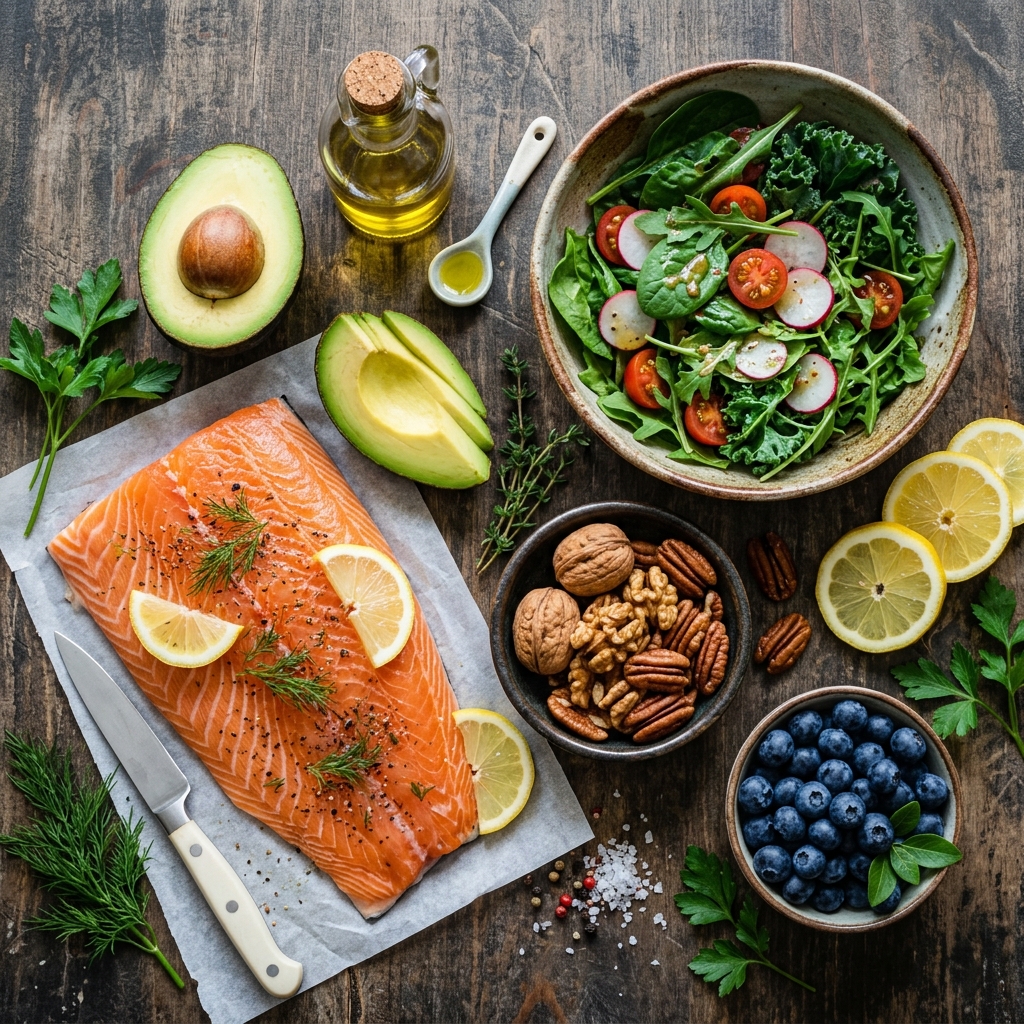
- Leafy Green Vegetables: Spinach, kale, and collard greens are rich in vitamins, minerals, and antioxidants, and are known to protect arteries and promote proper blood clotting.
- Whole Grains: Oats, brown rice, and quinoa contain high amounts of fiber, which helps reduce "bad" LDL cholesterol and lowers the risk of heart disease.
- Berries: Strawberries, blueberries, and raspberries are packed with important antioxidants that protect against oxidative stress and inflammation.
- Fatty Fish & Walnuts: Salmon, mackerel, and walnuts are excellent sources of omega-3 fatty acids, which lower triglyceride levels and reduce plaque buildup.
Foods to Limit or Avoid
- Processed Meats: Sausages, bacon, and hot dogs are high in saturated fats and sodium.
- Refined Carbohydrates: White bread, pastries, and sugary cereals can cause blood sugar spikes and increase the risk of heart disease.
- Trans Fats: Found in many fried foods and packaged snacks, trans fats increase bad cholesterol while lowering good cholesterol.
Building a Sustainable Routine
Fad diets don't work for long-term heart health. The goal is to build a sustainable way of eating, often modeled after the Mediterranean or DASH diets. Focus on portion control, cook more meals at home, and read food labels to keep track of sodium and sugar intake.
Personalized Heart Care
Diet is just one piece of the puzzle. For comprehensive cardiac care and personalized lifestyle advice, consult Dr. Ajay S. Sikarwar.
Call to Book an Appointment